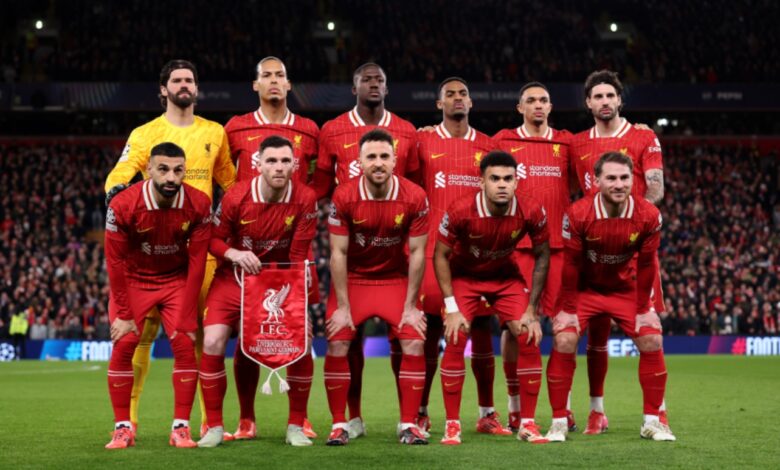
In the wake of the tragic passing of Diogo Jota and his brother Andre Silva, former Arsenal and Manchester City defender Bacary Sagna has shared a heartfelt plea with Liverpool players: choose therapy over football.
Drawing from his own painful experience, Sagna warned of the emotional toll grief can take on performance, well-being, and long-term mental health, especially when athletes are pressured to continue competing at the highest level.


Sagna lost his older brother Omar in February 2008, just a day before his 28th birthday. At the time, he was in his second season with Arsenal and preparing for a vital Champions League fixture against AC Milan. While he showed up for training and played on the pitch, he admitted that mentally, he was somewhere else.
My brain was not here, he said. I started making schoolboy mistakes. Controlling the ball became difficult. My mind was in slow motion.
Now, as Liverpool players return to pre-season training while still reeling from the sudden loss of Jota, Sagna is urging them not to internalise their pain or try to simply power through. He believes emotional healing must take priority.
We are human beings first, he said. We spend more time with our fellow players than we spend with our own wives and kids. So it’s going to be difficult.
Sagna recalled the emptiness he felt in the aftermath of his brother’s death. Although he received support from Arsenal and manager Arsène Wenger, he still tried to carry the burden silently. That decision, he now believes, had consequences.
I didn’t go to the funeral. My father thought it would be too overwhelming with the attention I’d get. So I stayed behind and rejoined the team. But I was shocked, numb. I didn’t cry much. I felt like I was in the Matrix. I didn’t know what was happening. My brain was paralysed.
In a league where resilience is often equated with silence, Sagna’s story challenges the idea that pushing through is a sign of strength. He explained how his unspoken grief affected his physical performance. During a match against Chelsea, he suffered an injury from a seemingly routine clearance.
Nobody tackled me. I had done that movement many times before. But that day, something gave. I think it was all mental.
Advertisement
Sagna said he didn’t realise how much the loss had affected him until Arsenal’s team psychologist visited his room one day and told him he seemed emotionally absent.
He said, ‘I’ve been watching you. You’re here, but you’re not really here.’ And he was right. I was just going through the motions.
Advertisement
He admitted that he used to be sceptical about seeing a psychologist. Coming from a culture where emotional vulnerability was rarely encouraged, the idea of opening up to a stranger felt unnatural.
At first I said, ‘Why would I speak to someone who doesn’t know me? Someone who just learned things from a book?’ But eventually I gave it a try. And what I found was relief. I felt lighter. I felt heard.
That breakthrough, he believes, helped him recover emotionally and rediscover himself both as a footballer and as a human being. Now, he hopes Liverpool players will consider the same. Every moment they spend in the dressing room, on the team bus, or in the cafeteria will carry a quiet reminder of Jota’s absence. His seat will be empty. His presence will be missed. These are the moments when unresolved grief can start to weigh down even the most focused athletes.
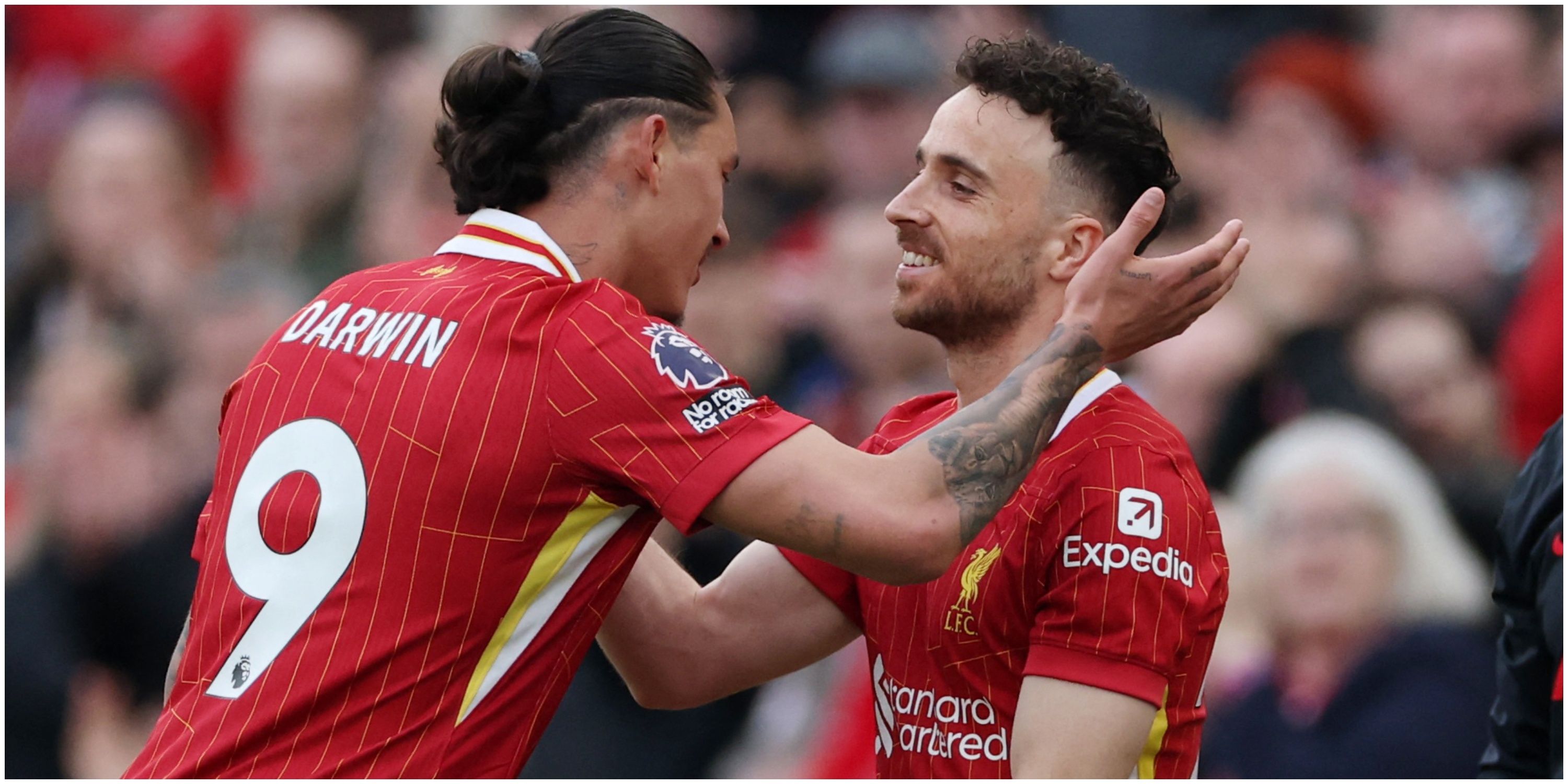
Some of the players might be in the same mindset I was in, Sagna said. They might not have their heads fully in football because they’re constantly thinking about what happened. I clearly advise them to speak up. This is something I didn’t do and it had an impact on me, so I know how it feels.
Liverpool, to its credit, has long prioritised the mental health of its players. The club’s response to the tragedy has been filled with compassion, from floral tributes at the funeral in Portugal to visible emotional support during friendly matches. However, Sagna says compassion must also be matched by proactive counselling and open dialogue.
He also pointed out that Jota’s passing will affect not just his teammates at Liverpool but the broader football community. The former Wolves forward was deeply respected across the league.
He was loved as a person, not just as a player. So this will have an impact on football in general, on how players approach the game and how they train going forward.
Sagna’s reflections offer a powerful reminder that behind every jersey is a human heart. And in times of loss, that heart deserves care, attention, and space to heal. He hopes Liverpool’s players will lean into the support systems available to them, even if doing so feels uncomfortable at first.
You meet so many people in life, hear so many stories. But when it comes to grief, you need to let it out before you can even think about performing again.